
Gluten-free diet FAQ: 15 common questions answered
When I went gluten-free, I had approximately one thousand questions and zero reliable answers. The internet was either terrifyingly clinical or wildly inaccurate. I ended up somewhere between a medical journal and a wellness blog that wanted to sell me a detox, which is not a great place to be when you just want to know if you can still eat soy sauce.
Now that I am a certified nutrition consultant and have been living gluten-free for several years, I hear these same questions from other people constantly. So here they are: fifteen questions everyone asks, answered honestly, with references to sources you can actually trust.
Please note: I am a certified nutrition consultant, not a medical doctor. This article is for general information only. If you suspect you have celiac disease or any other medical condition, please see your doctor before making dietary changes.
#1. What is gluten, exactly?
Gluten is the collective name for a group of proteins found in wheat, barley, rye, and triticale (a wheat-rye hybrid). According to the Celiac Disease Foundation, gluten acts like a glue that holds food together, which is why wheat-based bread is stretchy and chewy and why gluten-free bread often is not.
The two main proteins in gluten are gliadin and glutenin. For most people, these are completely harmless. For people with celiac disease or gluten sensitivity, they trigger an immune response that could damage their health.
Gluten is not just in obvious foods like bread and pasta. It hides in sauces, soups, processed meats, spice blends, soy sauce, beer, and even some medications. Learning to spot it is probably the single most important skill you will develop on a gluten-free diet.
#2. What is the difference between celiac disease, gluten sensitivity, and wheat allergy?
These three conditions are often confused, but they are quite different.
Celiac disease is an autoimmune disorder. When someone with celiac disease eats gluten, their immune system attacks the lining of their small intestine, damaging the tiny finger-like projections called villi that are responsible for absorbing nutrients. According to the National Institute of Diabetes and Digestive and Kidney Diseases (NIDDK), roughly 1% of the global population has celiac disease, and it can only be diagnosed through blood tests and an intestinal biopsy. The only treatment is a strict lifelong gluten-free diet.
Non-celiac gluten sensitivity (NCGS) shares many symptoms with celiac disease, including bloating, fatigue, and stomach pain, but it does not cause the same intestinal damage. There is currently no specific test for it. Doctors diagnose it by ruling out celiac disease and wheat allergy first. According to the Mayo Clinic, some researchers believe the symptoms may actually be caused by FODMAPs (certain carbohydrates found alongside gluten) rather than gluten itself, but more research is needed.
Wheat allergy is an immune reaction specifically to proteins in wheat. It is more common in children and can cause symptoms ranging from hives to, in severe cases, anaphylaxis. People with a wheat allergy need to avoid wheat but can usually eat barley and rye, which distinguishes it from celiac disease.
If you suspect any of these conditions, see your doctor before going gluten-free. The blood tests for celiac disease require that you are still eating gluten to be accurate.
New to gluten-free living? Take it step by step. Start here.
#3. What are the symptoms of gluten intolerance?
This is one of the most searched gluten-related questions on the internet, usually by people who suspect something is wrong but have not yet seen a doctor.
The symptoms of gluten-related conditions vary widely, which is part of what makes them so difficult to identify. According to the Cleveland Clinic, celiac disease alone can cause over 200 different symptoms. The most commonly reported include bloating, abdominal pain, diarrhoea or constipation (or both, alternating), nausea, and excessive gas.
But gluten-related symptoms are not limited to your gut. Many people experience what are sometimes called "extra-intestinal" symptoms: persistent fatigue that sleep does not fix, brain fog and difficulty concentrating, headaches or migraines, joint pain, skin rashes (including a specific itchy rash called dermatitis herpetiformis, which is strongly associated with celiac disease), mouth ulcers, unexplained anaemia, and mood changes including anxiety and depression.
Some people with celiac disease have very few obvious symptoms, which is why it is sometimes called a "silent" condition. You can have significant intestinal damage without feeling noticeably unwell, which is one reason why getting tested is important rather than relying on symptoms alone.
Here is what I want to emphasise: if you recognise yourself in this list, please see your doctor before going gluten-free. The blood tests for celiac disease only work while you are still eating gluten. If you eliminate gluten first and then get tested, the results may come back negative even if you do have celiac disease. Get tested first, then change your diet based on the results.
Also check: Cleveland Clinic; NIDDK; Johns Hopkins Medicine
#4. What can I eat on a gluten-free diet?
Far more than you think. The list of naturally gluten-free foods is enormous: all fresh fruits and vegetables, all unprocessed meat, poultry and fish, eggs, dairy (milk, cheese, yoghurt, butter), rice, potatoes, corn, quinoa, buckwheat, millet, lentils, beans, chickpeas, nuts, seeds, and all oils and vinegars (except malt vinegar).
The challenge is not avoiding the obvious things like bread and pasta. It is catching the hidden gluten in processed foods, sauces, seasonings and products you would never suspect. Wheat flour is commonly used as a thickener, binder and filler in processed foods including sausages, soups, ready meals, sauces and even some frozen chips.
Experts agree that the most cost-effective and healthy way to follow a gluten-free diet is to focus on foods that are naturally gluten-free rather than relying on specialty "free from" products.
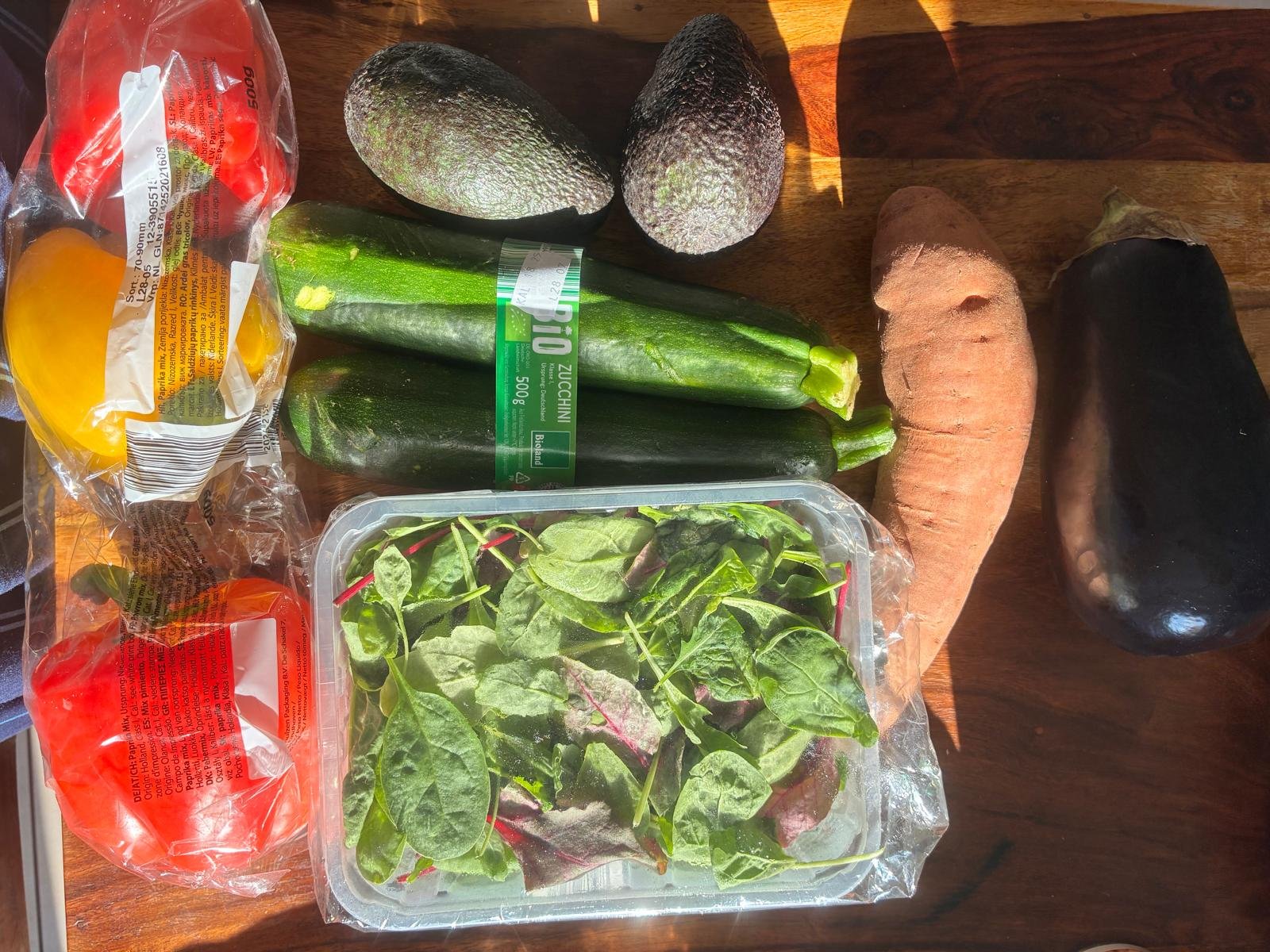
Eat your veggies!
Even if you are on a gluten-free diet, you have everything you need! Vegetables and fruit are great, gluten-free sources of nutrition and food you would be eating for a healthy diet anyway!
This is something I feel strongly about as a nutritionist: if your entire gluten-free diet comes from the "free from" aisle, you are probably spending too much money and not eating as well as you could be. The produce section, the rice, the lentils, the eggs: that is where the real gluten-free food lives.
Also check: NHS; Celiac Disease Foundation
#5. Are oats gluten-free?
This is one of the most confusing questions in gluten-free living and the answer is: it depends.
Oats themselves do not naturally contain gluten. However, they are frequently contaminated with wheat, barley or rye during growing, harvesting or processing. People with celiac disease should only eat oats that are specifically labelled as gluten-free, meaning they have been produced without cross-contamination.
There is an additional complication. Oats contain a protein called avenin, which is structurally similar to gluten. According to the Celiac Disease Foundation, while most people with celiac disease can tolerate pure, uncontaminated oats, a small number react to avenin as well. If you are introducing oats into a gluten-free diet, start with certified gluten-free oats and monitor how you feel.
If in doubt, discuss it with your doctor.
#6. Is sourdough bread safe for people who are gluten-free?
No.
Sourdough bread is made with wheat flour and undergoes a long fermentation process. While fermentation does break down some of the gluten proteins, it does not eliminate them. According to research referenced by the Celiac Disease Foundation, traditional sourdough still contains enough gluten to cause damage to someone with celiac disease.
Some specialty bakeries produce sourdough made with gluten-free flours (like rice flour or buckwheat flour), and these are safe. But a regular sourdough loaf from a bakery or supermarket is not gluten-free, no matter how long it has been fermented.
I hear this one constantly, usually from well-meaning friends and family: "But it's sourdough, so it should be fine, right?" No. It is not fine. If someone offers you sourdough and tells you the fermentation removes the gluten, politely decline and eat something else.
#7. What foods have hidden gluten?
More than you would expect. Gluten can be found in food items where you would never suspect it. Here are the most common culprits:
Soy sauce is traditionally brewed with wheat. Use tamari (a Japanese soy sauce typically made without wheat) or a product specifically labelled gluten-free instead.
Processed meats including sausages, deli cold cuts, and pre-seasoned or marinated meats often contain wheat starch as a filler or binder.
Soups, both tinned and packet varieties, frequently use wheat flour as a thickener.
Sauces and gravies, including many commercial gravy granules and ready-made sauces, use wheat flour for thickening.
Spice blends and seasonings may contain wheat-based anti-caking agents. Single-ingredient spices (pure cumin, pure turmeric) are safe; blends need checking.
Beer, lager, stout, and ale are brewed with barley or wheat. Gluten-free beers exist, but standard beer is not safe.
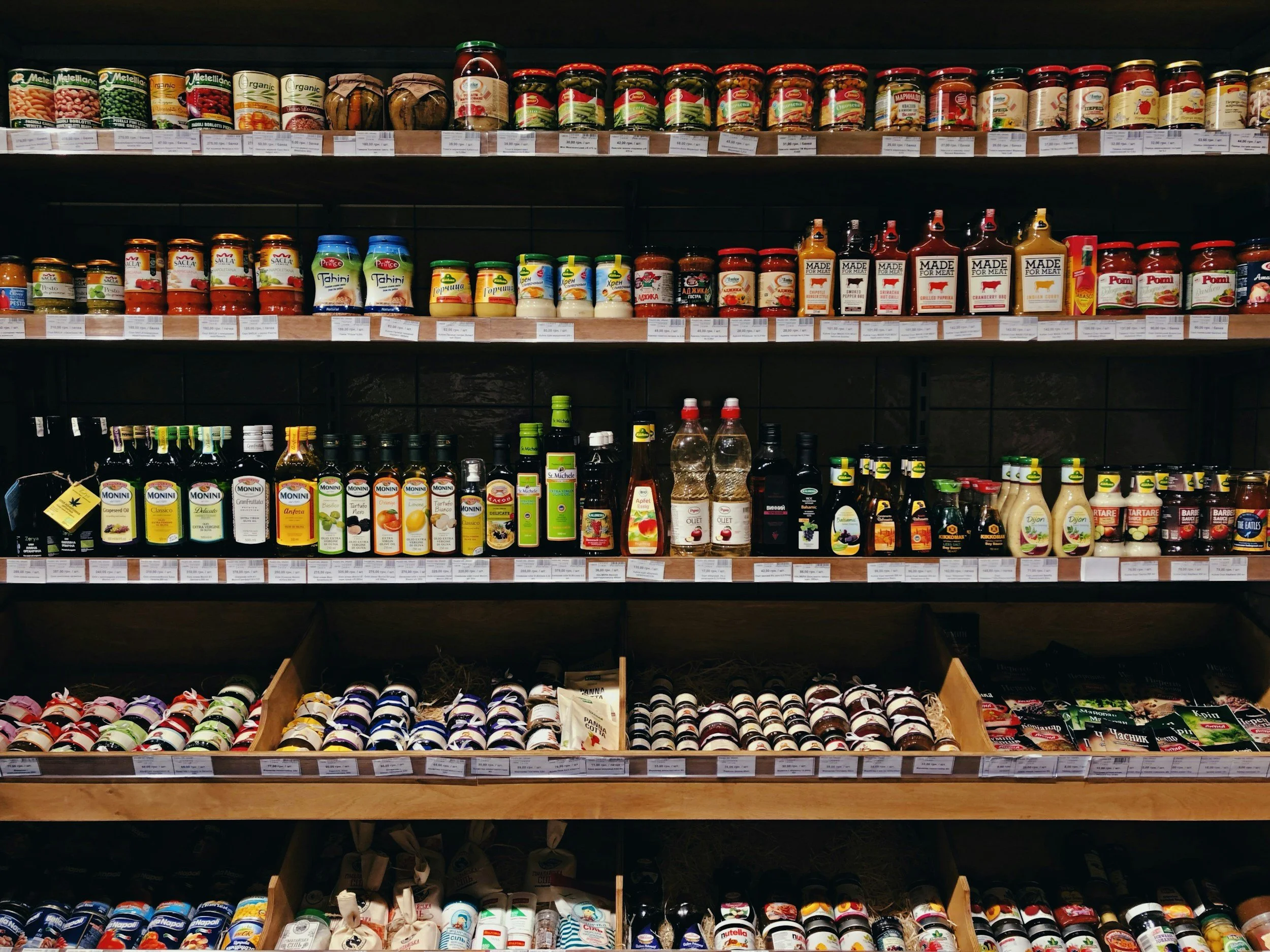
Gluten is everywhere
Sauces, condiments and spice blends could have gluten in them. Make sure to check the ingredients list before buying. Here is how to stock your pantry for your gluten-free diet.
Malt flavouring and malt extract, derived from barley, appear in some breakfast cereals, chocolate bars and malted drinks.
Communion wafers, some medications and some vitamin supplements can also contain gluten.
The golden rule: read every label, every time, even on products you have bought before. Manufacturers change ingredients without warning.
#8. Is a gluten-free diet healthier?
Not automatically.
Many commercially available gluten-free products, including breads, biscuits, pasta and snacks are made with refined starches, added sugars and lower levels of fibre, vitamins and minerals compared to their wheat-based equivalents.
A gluten-free diet based on whole, naturally gluten-free foods (vegetables, fruit, rice, lentils, eggs, fish, meat) can absolutely be healthy, balanced and nutritious. A gluten-free diet based mostly on processed "free from" products is likely to be low in fibre, low in B vitamins and higher in sugar and fat than necessary.
The key is not whether you eat gluten-free. It is what you eat instead.
#9. Can I eat rice on a gluten-free diet?
Yes. Rice (white, brown, basmati, jasmine, wild rice, all of it) is naturally gluten-free and is one of the most important staples in a gluten-free diet. Rice is among the naturally gluten-free grains that are safe for people with celiac disease.
In fact, rice is the primary grain for billions of people across Asia, and many traditional rice-based cuisines (Indian, Thai, Japanese, Chinese) are naturally gluten-free or very easily adapted. This is one of the reasons I lean so heavily on Indian cooking in my own kitchen. Check out this recipe for dal, which is naturally gluten-free and is eaten with rice.
One caution: some rice products (particularly flavoured rice mixes or rice sold from bulk bins) may be cross-contaminated with wheat during processing. Plain, packaged rice is safe. Always check flavoured or pre-seasoned varieties.
#10. How do I eat gluten-free on a budget?
This is a question I care deeply about, because the "free from" aisle can make gluten-free living feel impossibly expensive. A loaf of gluten-free bread often costs three times what a regular loaf costs. If you are buying specialty GF products for every meal, your grocery bill will go through the roof.
The solution is to build your diet around foods that are naturally gluten-free rather than buying processed GF alternatives for everything. Choosing naturally gluten-free foods such as meat, fish, rice, potatoes, vegetables and fruit wherever possible is both cheaper and more nutritious.
My practical tips: buy rice, lentils, and chickpeas in bulk (they are some of the cheapest foods in any supermarket). Use potatoes, sweet potatoes, and corn as your starch base instead of GF bread. Cook from scratch when you can. Save the specialty GF products for when you really want them, rather than relying on them daily.
I recently wrote a complete guide to gluten-free shopping at the Lidl supermarket (if you are in Germany) that proves you can eat well on a tight budget without setting foot in a health food shop.
#11. What happens when you first stop eating gluten?
Everyone's experience is different, but there is a general pattern that most people recognise.
According to the NHS, your symptoms should improve considerably within weeks of starting a gluten-free diet. However, it may take up to a few years for your digestive system to heal completely, particularly if you have celiac disease. Johns Hopkins Medicine notes that the small intestine typically heals within 3 to 6 months, but in older adults it may take up to 2 years.
In my own experience, and from what I hear from others, the first week or two is the hardest. Not because of physical symptoms, but because of the mental adjustment. You suddenly have to think about every single thing you eat. You read labels obsessively. You feel anxious at restaurants. You mourn your favourite bread.
After a relatively short period of time (in my case it was three days!), around two to four weeks, most people start to notice improvements: less bloating, more energy, fewer headaches, clearer thinking. After a few months, label reading becomes second nature, you have found your reliable products, and the diet stops feeling like a restriction and starts feeling normal.
The one thing I would say: be patient with yourself. The learning curve is steep at the beginning, but it flattens quickly. And the food on the other side is genuinely good, if you know where to look.
#12. Does a gluten-free diet help you lose weight?
The short answer is: no. Dropping gluten from your diet does not mean you will lose weight.
Going gluten-free is a medical necessity for people with celiac disease and a quality-of-life choice for people with gluten sensitivity. It is not a weight-loss programme. According to clinical research, many packaged gluten-free products actually contain more sugar, fat and refined starches than their wheat-based equivalents, because manufacturers need to compensate for the texture and flavour that gluten provides. Some people actually gain weight after going gluten-free because they consume more of these calorie-dense alternatives.
Here are five easy gluten-free meals that are nutritious and low-calorie.
If you do lose weight after going gluten-free, it is more likely because you have cut out processed foods, started cooking from scratch or are simply paying more attention to what you eat. The gluten-free label is not what causes the weight loss, it’s dietary awareness.
As a nutritionist, this is one of the myths I find most frustrating. Gluten-free eating is not a lifestyle trend. For millions of people, it is the only way to stay healthy. Treating it as a diet fad undermines the people who genuinely need it.
#13. What does "Certified Gluten-Free" actually mean?
When you see a product labelled "gluten-free," it means different things depending on where you are, but the standard is broadly consistent.
In the European Union, a product labelled "gluten-free" must contain fewer than 20 parts per million (ppm) of gluten. "Very low gluten" means fewer than 100 ppm. In the United States, the FDA uses the same 20 ppm threshold. This level has been shown to be safe for the vast majority of people with celiac disease.
It is important to understand that "gluten-free" does not mean zero gluten. It means an extremely small, clinically safe amount. For most people with celiac disease, products meeting this standard will not cause symptoms or intestinal damage.
Third-party certification programmes, such as the GFCO (Gluten-Free Certification Organisation) or the DZG (Deutsche Zoeliakie Gesellschaft) in Germany, go a step further by auditing production facilities for cross-contamination controls. If you see a certification seal alongside the "gluten-free" label, it means the product has undergone additional independent testing.
One thing to watch: "wheat-free" is not the same as "gluten-free." A product can be wheat-free but still contain barley or rye, both of which contain gluten.
#14. What are the nutritional risks of going gluten-free?
This is a question I wish more people would ask, because it is genuinely important.
When you remove wheat from your diet, you also remove a significant source of several key nutrients. Whole wheat products are typically fortified with iron, B vitamins (including folate, thiamine, riboflavin, and niacin) and fibre. Most gluten-free flour blends and GF bread products are not fortified to the same degree.
Without conscious planning, a gluten-free diet can lead to deficiencies in fibre (which affects digestive health), iron (which affects energy levels), B vitamins (which affect everything from brain function to red blood cell production), and calcium (especially if dairy is also restricted, which sometimes happens temporarily after celiac diagnosis when the gut is still healing).
The solution is not complicated: eat a varied diet rich in naturally gluten-free whole foods. Vegetables, fruit, lentils, beans, nuts, seeds, eggs, fish, and meat all provide the nutrients that processed GF products often lack. If you are concerned about specific deficiencies, ask your doctor for a blood test rather than self-prescribing supplements.
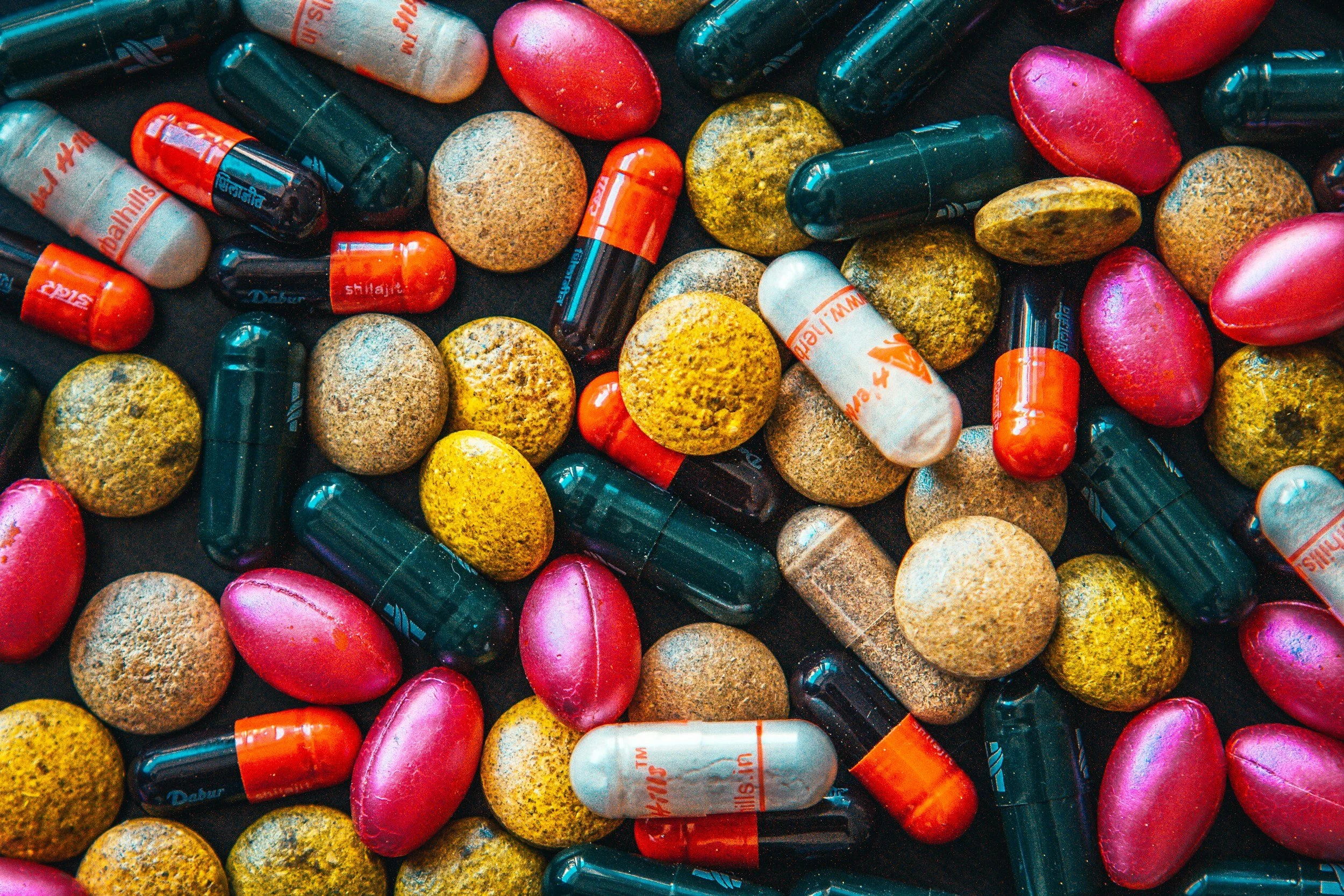
Careful with the supplements
Gluten-free diets often lack important supplements like iron and B vitamins, which is why they require a lot of planning. Always consult your doctor before taking any pills to enhance your diet.
#15. How do I prevent cross-contamination when eating out?
Eating out is one of the most stressful parts of gluten-free living, especially if you have celiac disease where even trace amounts of gluten can cause damage.
Here is what works, based on my own experience.
Call ahead or check the menu online before you go. Many restaurants now list allergen information. A quick call to ask about gluten-free options saves awkwardness at the table.
Be specific with your server. Say "I have celiac disease" or "I cannot eat gluten for medical reasons" rather than "I prefer gluten-free." The first is taken seriously in professional kitchens. The second is sometimes treated as a lifestyle preference.
Ask about preparation, not just ingredients. A grilled steak is gluten-free, but not if it is cooked on the same surface as bread or marinated with soy sauce. Ask whether they use a separate fryer for gluten-free items, since frying GF food in the same oil as breaded items contaminates it.
Stick to simpler dishes. Grilled meats, fish, salads with dressing on the side, and rice-based dishes are generally safer than complex sauces and fried foods.
Do not apologise for asking questions. You are not being difficult. You are managing a health condition.
Have a question I did not cover? Send me a message through the contact form and I will do my best to answer it (or point you to someone who can).
Selected references:
1. Celiac Disease Foundation - "What is Gluten?"
2. Celiac Disease Foundation - "Gluten-Free Foods"
3. Mayo Clinic - "Gluten-Free Diet"
4. Cleveland Clinic - "Celiac Disease: Symptoms, What It Is & Treatment"
5. National Institute of Diabetes and Digestive and Kidney diseases (NIDDK) - "Definition & Facts for Celiac Diseases"
6. NHS - "Coeliac Disease: Treatment"
7. NHS Inform - "Gluten-Free Diet"
8. Johns Hopkins Medicine - "Dietary Changes for Celiac Disease"
9. Johns Hopkins Medicine - "Celiac Disease"
10. Beyond Celiac - "Celiac Disease & The Gluten-Free Diet"
