
What I'd buy for a gluten-free diet if Lidl were the last grocery store on earth
I have a theory: you do not need fancy health food shops to eat well on a gluten-free diet. And I can prove it, because I can shop for my gluten-free diet at almost any supermarket in Germany.
This is my honest Lidl haul. No sponsorship, no filters, just what actually ends up in my trolley.
Fresh and Vibrant: The Fruit Basket
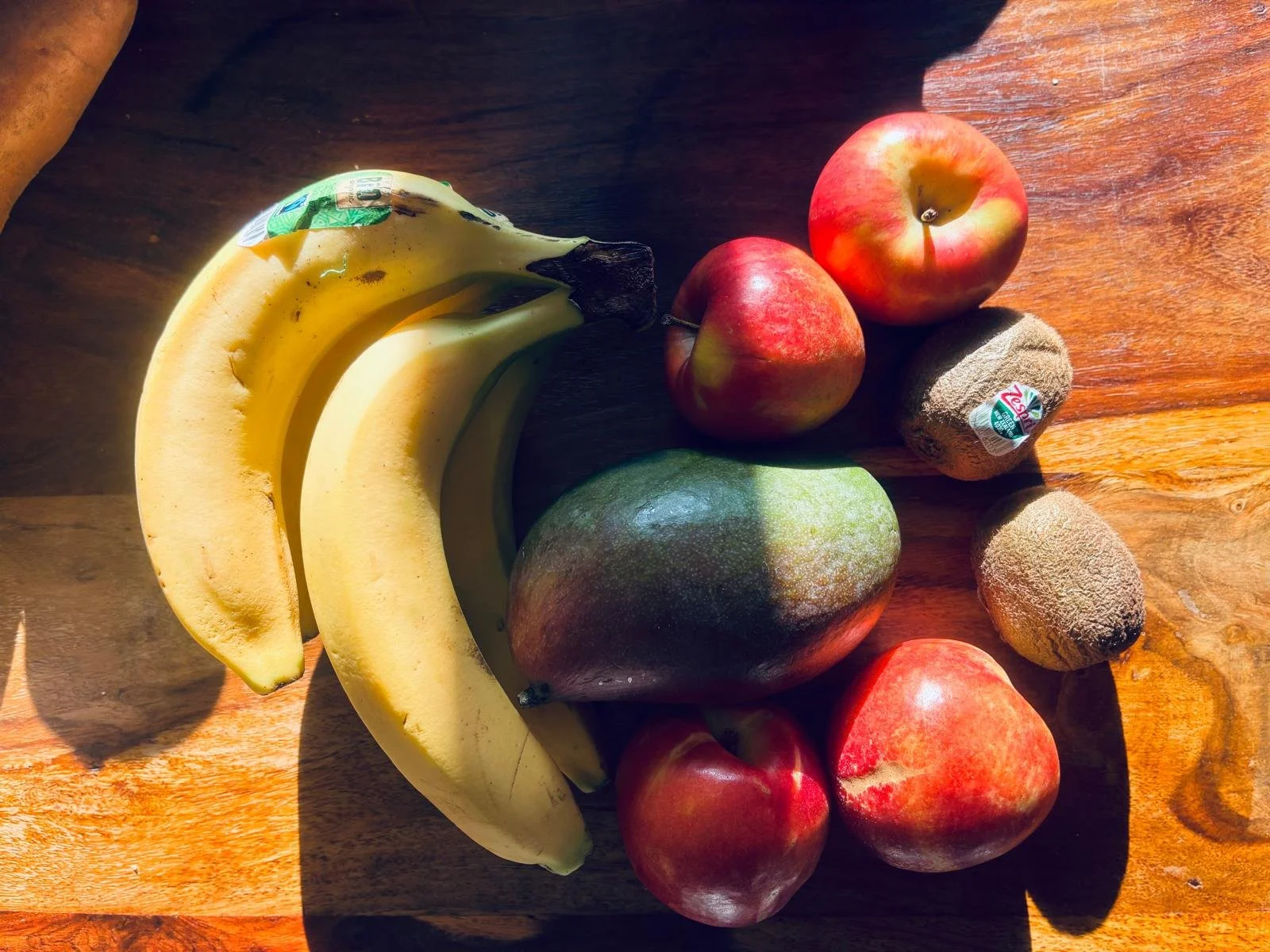
Fruits are naturally gluten-free, high in dietary fibre, rich in vitamins and minerals, contain antioxidants, and require zero processing or label reading.
Here is something that gets lost in the noise of "free from" labels and specialty aisles: the healthiest gluten-free foods do not come in a box with a special certification. They grow on trees.
Fresh fruit is 100% naturally gluten-free, packed with vitamins, minerals, and fibre, and there is zero risk of factory cross-contamination. At Lidl, the fruit section is one of the best value offerings of any German discounter.
My regular picks: bananas (the ultimate grab-and-go snack. It’s rich in potassium and natural sugars and provides a good energy boost), apples (have a lot of fibre and are very filling while being low-calorie), kiwis (one kiwi covers your daily vitamin C needs), and whatever seasonal stone fruit is on offer. When I spot a ripe mango, that is coming home with me too, because a mango lassi made with Lidl's Greek yoghurt is really delicious.
As a nutritionist, I should probably say something profound here about micronutrients and antioxidants, but the real reason I buy so much fruit is that it is the easiest snack that exists.
The Vegetable Basket: The Foundation of Every Meal
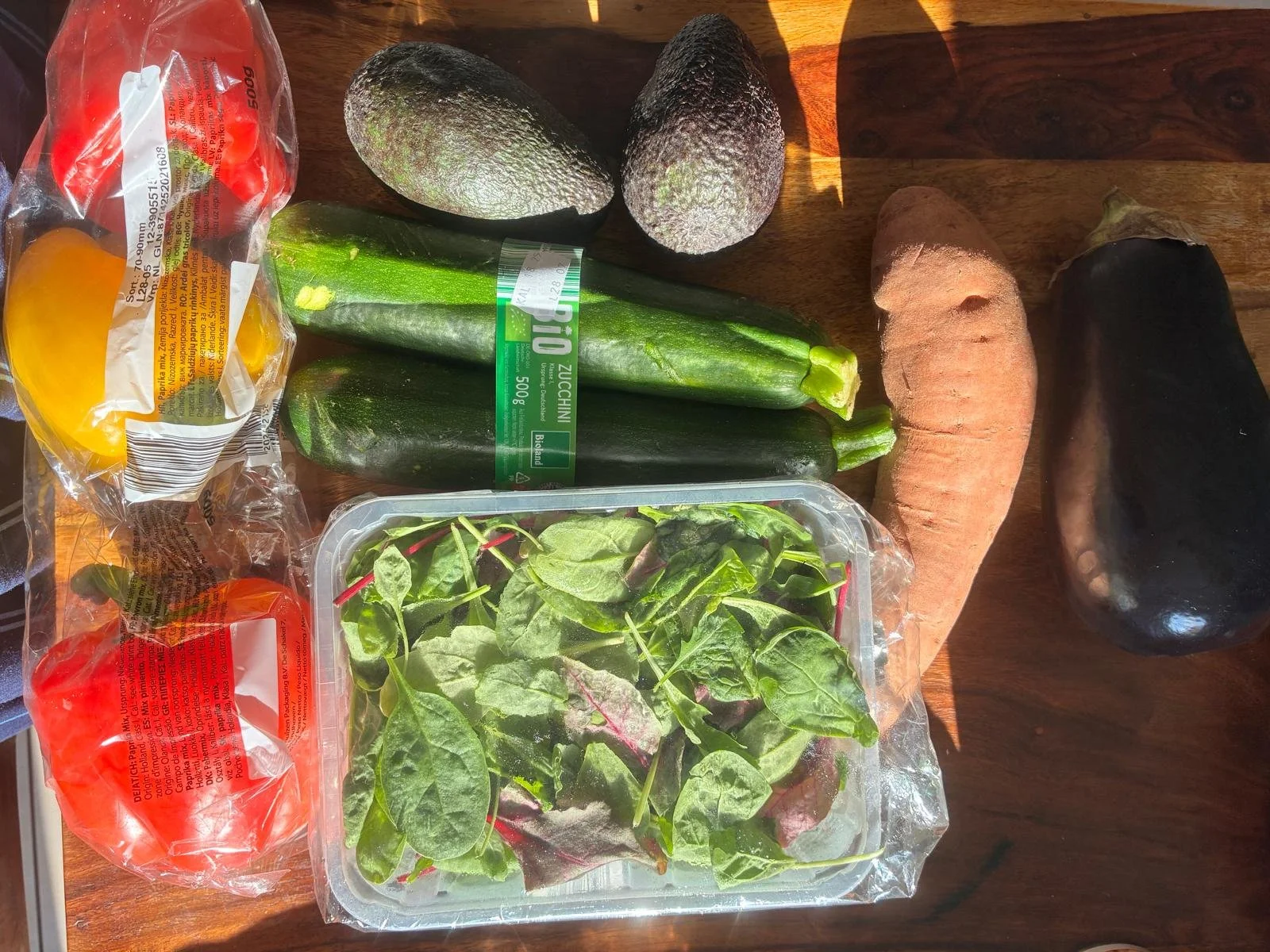
Fibre should make up nearly 50% of your meal. Vegetables are an excellent way to fill you up without adding calories.
.
If fruit is your snack aisle, vegetables are your meal foundation. Every dinner I cook starts here: an onion, some garlic, whatever vegetable looks good, and a protein. That is the formula.
Lidl's vegetable section is surprisingly well-stocked for a discounter. I regularly pick up zucchini, peppers, spinach, sweet potatoes, avocados, and aubergine. All naturally gluten-free, all versatile, all affordable.
The sweet potato deserves a special mention. It is one of the most nutritious vegetables you can buy: rich in beta-carotene, fibre, and potassium, naturally gluten-free, and it works equally well roasted, mashed, or in a curry.
Here is the connection most people miss: these exact vegetables, the peppers, spinach, garlic, and onions, are the base for authentic Indian cooking. A simple sabzi or dal starts with nothing more than what Lidl stocks in its produce section. You do not need luxury imports or specialty Asian grocery shops to cook traditional, naturally wheat-free Indian meals.
Lentils and Legumes: Your Plant Protein Powerhouse
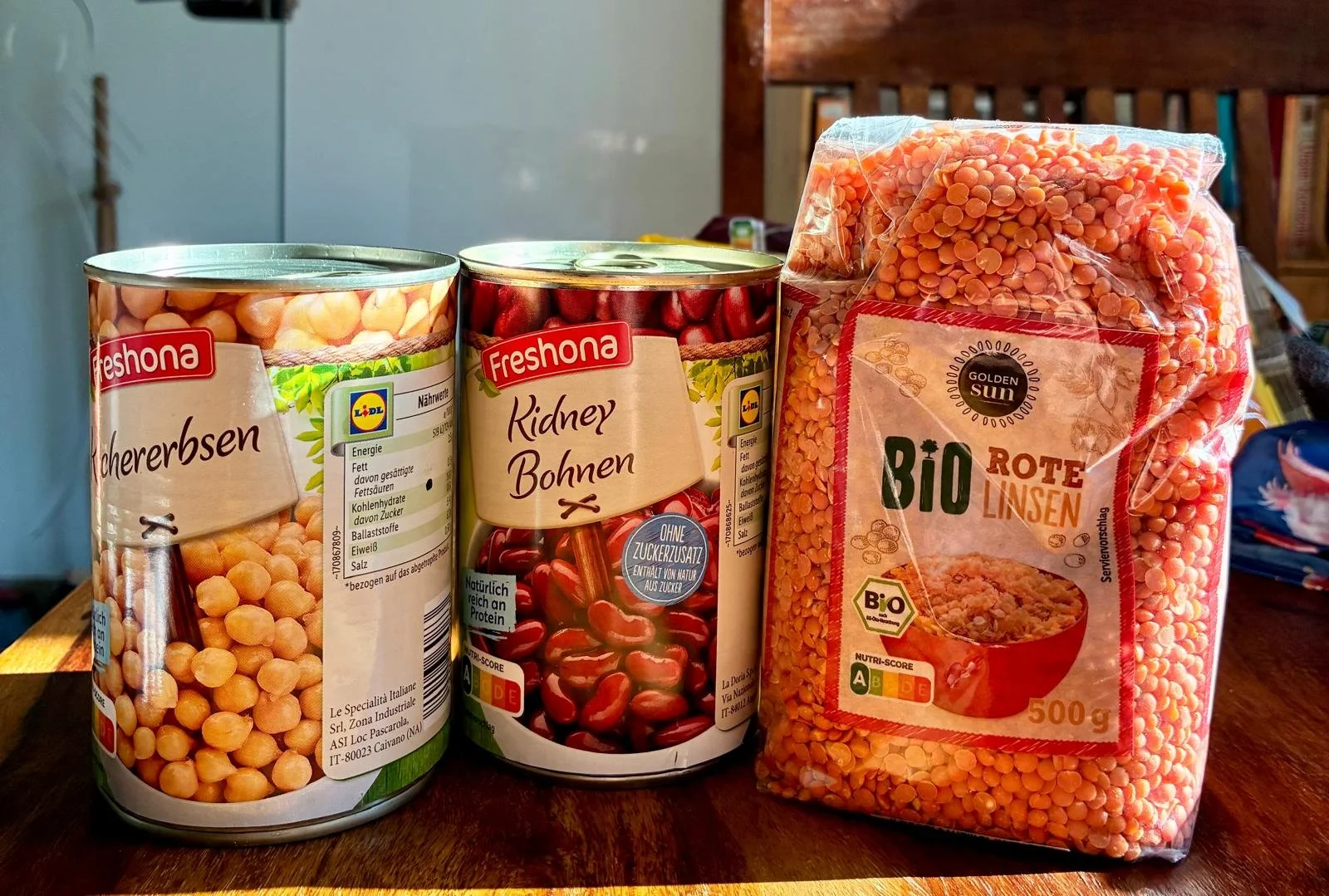
Lentils and beans are the best way to add protein in your diet apart from meat.
If I could only buy three things at Lidl, two of them would be from this section. Lentils and legumes are the unsung heroes of a gluten-free pantry: naturally wheat-free, high in plant protein, packed with fibre, and extraordinarily cheap.
Lidl stocks Freshona canned chickpeas and kidney beans (both under a euro per tin), and Golden Sun organic red lentils. The canned versions are already half-cooked, which means dinner is 20 minutes away at any given moment. The red lentils cook even faster than pasta.
A tin of chickpeas becomes a curry in 15 minutes. Kidney beans become rajma masala. Red lentils become dal, which is a very popular dish in north India. These are not complicated recipes. They are everyday food that happens to be naturally gluten-free, high in protein, and costs almost nothing.
I always keep at least three tins of chickpeas and two packets of red lentils in my pantry. They are my insurance policy for the evenings when I have not planned dinner and the fridge looks empty.
Check out this recipe for dal, a spicy lentil soup that is naturally gluten-free and a staple in Indian households.
Smart Snacking: Gluten-Free Snacks That Are Not Junk
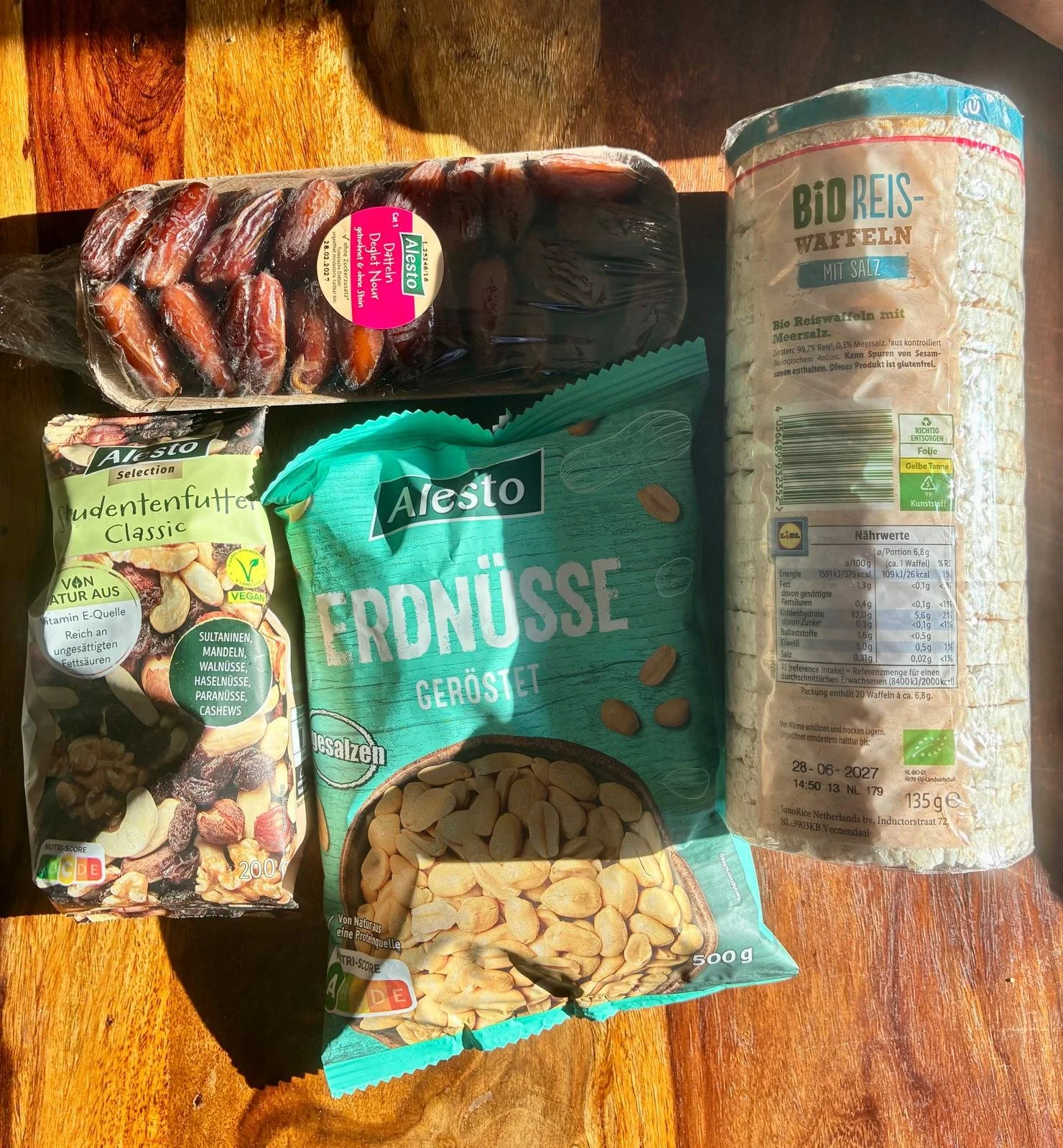
Choosing healthy snacks like nuts and rice wafers makes a huge difference.
Snacking is where most gluten-free eaters (myself included) go a bit sideways. The "free from" biscuits and cakes are tempting, and I am not going to pretend I never buy them. But I have noticed that when I snack mostly on processed GF products, I feel sluggish and hungry again within an hour. When I snack on nuts, fruit, or rice cakes with something on top, I actually feel full.
What I buy instead: Lidl's Alesto roasted peanuts, Studentenfutter trail mix (the classic German study snack with nuts, raisins, and seeds), Alesto dates (natural sweetness with fibre and potassium), and Bio Reiswaffeln (organic rice cakes, which are essentially a blank canvas for whatever topping you want).
Check out this recipe for homemade cereal using gluten-free grains and nuts.
The rice cakes deserve a mention because they are one of the most versatile gluten-free snacks you can buy. Top them with avocado and salt, peanut butter and banana, hummus and cucumber, or cream cheese and chilli flakes.
My nutritionist brain wants to tell you to eat only whole foods and never touch a processed GF biscuit. But my human brain knows that sometimes you just want a biscuit. So here is the compromise: stock your pantry with the nuts, dates, and rice cakes, and let the biscuits be an occasional treat rather than the default. Your energy levels will genuinely be better for it.
Protein and Dairy: Building Blocks
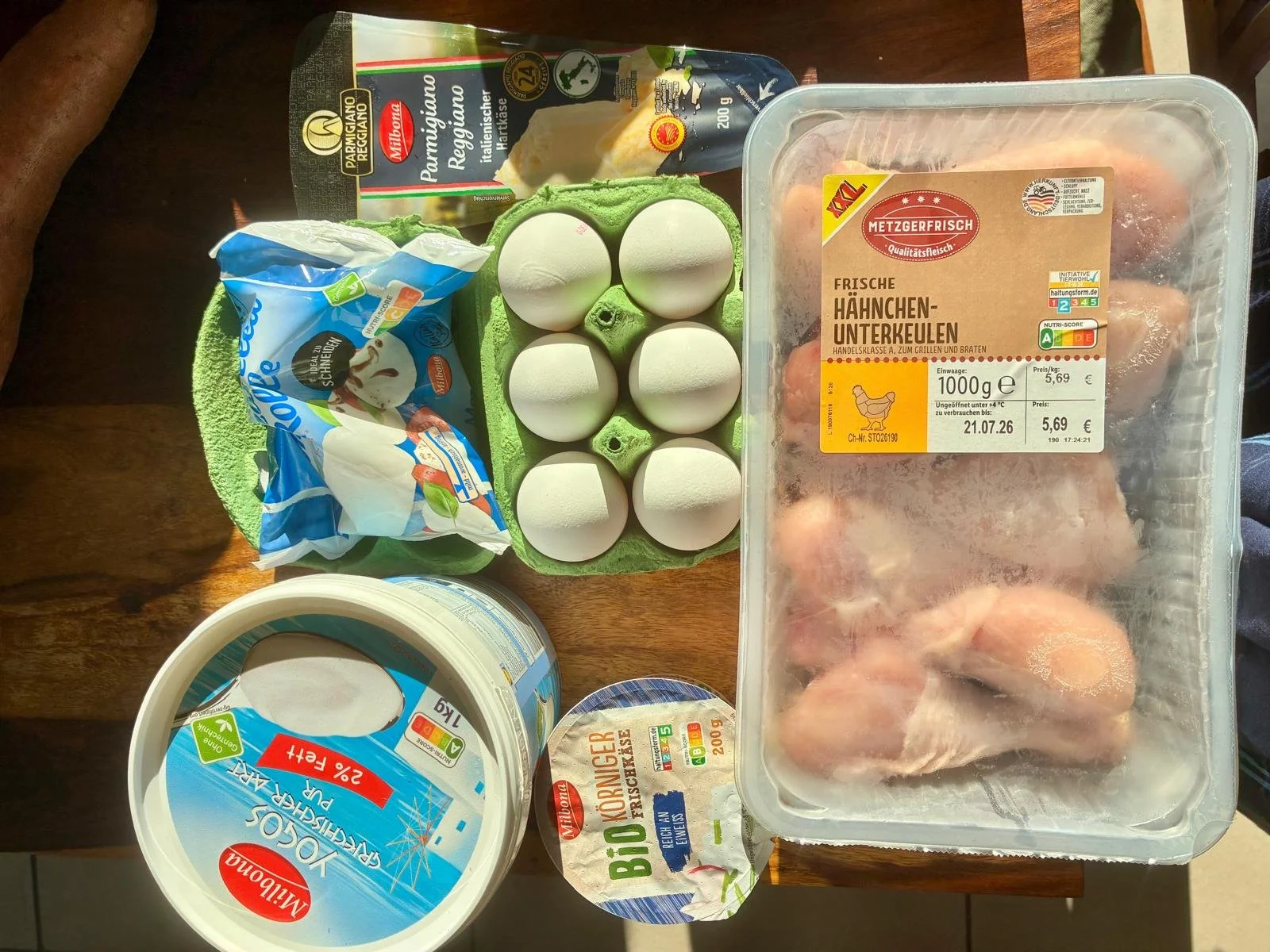
Meat and dairy are essential sources of protein and are also super-filling.
Protein is essential in any diet, but it is especially important when you are gluten-free because many convenient protein sources (sandwiches, wraps, pasta dishes) are no longer on the table.You need to be more intentional about getting enough. Lidl's Milbona range is excellent value. The Greek-style yoghurt (2% fat, 1kg tub) is a staple in my fridge. I eat it with fruit for breakfast, use it as a base for raita with Indian meals, and mix it with cucumber as a side for practically everything. At under two euros for a kilo, it is one of the best protein-per-euro deals in the store.
Eggs are the other non-negotiable. Naturally gluten-free, completeprotein, versatile, and cheap. Six eggs and some vegetables become an omelette, a frittata, or my Indian-style Anda Bhujiya (spiced scrambled eggs with onion and tomato). For cheese, I pick up mozzarella (for salads and baking), organic cottage cheese (high protein, excellent on rice cakes), and parmesan. All naturally gluten-free.
Fresh chicken thighs are my go-to meat protein. They are affordable, forgiving to cook, and work in everything from a simple roast to a full Indian curry. One important warning: be careful with pre-marinated meats and processed cold cuts. Budget processing lines frequently use wheat starch as a filler or binder in spice blends and marinades. Always buy your meat plain and season it at home with pure, single-ingredient spices. That way you know exactly what is in it.
The Lidl Verdict
Online, Lidl’s offering of gluten-free products seems to be quite expansive, but the store close to where I live stocks only gluten-free pasta and bread. Regardless, for a gluten-free eater on a budget, it has almost everything you need. The produce is fresh and cheap, the Freshona lentils and legumes are a pantry lifesaver, the dairy range is solid, and the snack options are better than you might expect.
If gluten-free bread and pasta are essential to your routine, and depending on how well the Lidl close to you is stocked, you will need to supplement your Lidl shop with a stop at a larger supermarket. But if you cook with whole, naturally gluten-free ingredients (which is what I recommend anyway), Lidl covers you surprisingly well.
The biggest lesson I have learned from years of gluten-free shopping at Lidl: the best gluten-free food was never in the "free from" aisle. It was in the produce section all along.
