
Gluten-free substitutes for wheat flour: the ultimate baking guide
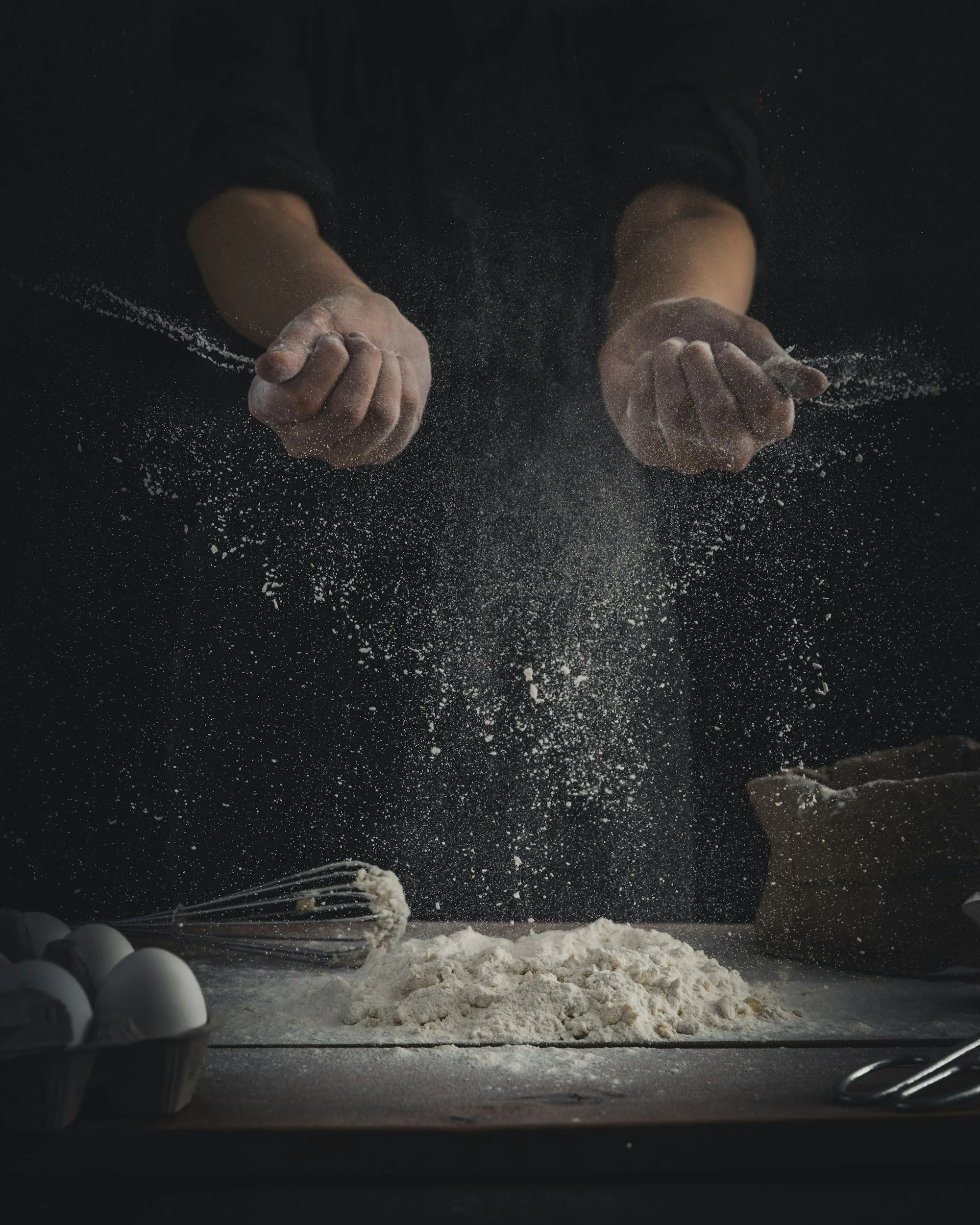
Gluten-free flours
Gluten-free flours and readymade flour mixes are easy to find these days, but if you like experimenting and using different kinds of ingredients to enhance the taste of your baked goods, this list is a great place to start. In this comprehensive guide, I will explore some of the most popular and versatile gluten-free flours that can be used as alternatives to traditional wheat flour in cooking and baking.
The ultimate gluten-free flour conversion chart
Finding a reliable gluten-free substitute for wheat flour in baking can feel like a guessing game. Because alternative flours lack gluten proteins, they absorb liquids differently, which often leads to dry, crumbly, or dense baked goods. To save your recipes from baking disasters, we created this quick-reference conversion guide. Whether you are using a convenient 1:1 commercial baking blend or mixing your own single-source alternative flours like almond, coconut, or cassava, use the exact ratios below to swap out traditional wheat flour with confidence!
1. The universal swaps (easiest method)
| Standard Wheat Flour | Gluten-Free 1:1 Baking Blend | Essential Baker’s Tip |
|---|---|---|
| 1 Cup (120g) | 1 Cup (120g) | Most contain a binder like Xanthan Gum or Psyllium Husk to prevent crumbling, but do check to be sure. |
2. Individual gluten-free flour ratios
| Gluten-Free Flour Type | Ratio to Wheat Flour | Best Used For | Crucial Liquid Adjustments |
|---|---|---|---|
| Almond Flour | 1 : 1 (or up to 1.25 cups) | Cookies, pie crusts, muffins, and quick breads. | Slightly reduce liquids or add an extra egg for structure. |
| Coconut Flour | 1/4 to 1/3 Cup | Dense treats, pancakes, and soft mug cakes. | Highly Absorbent! Add 1 egg and 1/4 cup liquid for every 1/4 cup used. |
| Cassava Flour | 1 : 1 (slightly loose) | Tortillas, brownies, and general baking. | Mimics wheat flour closely. Reduce flour by 1-2 tbsp if the batter is too dry. |
| Oat Flour (Certified GF) | 1 : 1 | Pancakes, waffles, oatmeal cookies, and crumbles. | Very light density. Weigh it (120g) rather than using a measuring cup. |
| Rice Flour (Brown/White) | 7/8 Cup (or combine) | Crispy cookies, shortbreads, and frying batters. | Can turn gritty alone. Best mixed with 1/4 cup tapioca or starch. |
3. Build your own universal blend (The 60:40 Rule)
If you want to skip store-bought bags and make a master batch of all-purpose flour at home, follow this weight-based structural ratio:
- 60% whole grain / protein flours: Brown rice flour, sorghum flour, millet flour, or almond flour.
- 40% starches (for lightness): Tapioca starch, potato starch, or arrowroot powder.
- The binder: Add 1/2 teaspoon of xanthan gum for every 1 cup of your homemade mix to hold your baked goods together!
Generally speaking, gluten-free flours can be divided into flours from gluten-free grains, nut flours or meals and flours made of ground pulses.
Gluten-free flours from nuts
Almost any nut can be ground into flour. But in my experience, almond meal, chestnut flour and peanut flour are the most commonly found. I often use ground cashew and hazelnut for baking, but I usually buy the nuts and grind them at home. Nut flours come in a variety of options and could be nut meals, which are nuts ground with their skins, or flours, made by blanching the nuts first and then grinding them for a better flavor.
1. Almond Flour
Almond flour is made from finely ground, blanched almonds, resulting in a flour that is dense, nutty, and naturally sweet. It is high in protein, healthy fats, and fiber, making it a nutritious choice for gluten-free baking. Almond flour is commonly used in recipes for cakes, cookies, and muffins, where its texture and nutty flavor complement sweet treats. Be careful, though: many people are allergic to almonds and almond meal so be sure to test before using!
2. Chestnut flour
Chestnut flour, made from dried and ground chestnuts, has an earthy flavor and is rich in fiber and vitamin C. It is excellent for gluten-free baking, particularly in breads and sweet recipes like cakes, cookies and pastries.
Gluten-free flours from cereals
1. Amaranth Flour
Made from the seeds of the amaranth plant, amaranth flour has a slightly earthy, nutty flavor and is rich in protein, fiber, and micronutrients such as calcium and iron. Scientists call it the gluten-free super grain because of its nutritional benefits. It’s also a climate-friendly crop and grows in extremely dry conditions as well.
2. Rice Flour
Rice flour comes in various forms, including white rice flour, brown rice flour, and sweet rice flour (also known as glutinous rice flour). It has a neutral flavor and a fine texture, making it a versatile ingredient in gluten-free cooking and baking. Rice flour is commonly used in Asian cuisines for dishes such as dumplings, noodles, and rice cakes. South Indian dishes like dosa and idli are also made with rice.
3. Oatmeal
Oatmeal is made by grinding oats into a fine powder. While oats themselves are naturally gluten-free, cross-contamination during processing is common, so it is important to look for certified gluten-free oatmeal to ensure it is safe for individuals with gluten intolerance. Oatmeal has a mild flavor and works well in recipes for bread, muffins, and pancakes.
4. Buckwheat Flour
Despite its name, buckwheat is not related to wheat and is naturally gluten-free. Buckwheat flour has a strong flavor and is best mixed with rice or amaranth flour to neutralize its taste. It is commonly used in recipes for pancakes, crepes, and soba noodles, providing a distinct taste and texture to dishes. Buckwheat also causes allergies sometimes, so be sure to check before using.
These rotis are made with amaranth and buckwheat flour, and are completely gluten-free.
5. Quinoa Flour
Quinoa flour is made by grinding quinoa seeds into a fine powder. Quinoa is a complete protein, meaning it contains all nine essential amino acids, making quinoa flour a nutritious choice for gluten-free baking. Quinoa flour works well in recipes for bread, muffins, and cookies.
6. Sorghum Flour
Sorghum flour is made from ground sorghum grain, a gluten-free cereal grain. It has a mild, sweet flavor and a light texture, making it a popular choice for gluten-free baking. Sorghum flour is commonly used in recipes for bread, muffins, and cookies, providing a soft and tender crumb to baked goods. It is also known as “jowar” in India and used for making roti.
7. Brown-top millet flour
Brown-top millet flour is made from brown-top millet grains and has a mild, slightly nutty flavor. It is rich in fiber, protein, and essential minerals such as iron and magnesium. This flour is a versatile gluten-free option, suitable for baking bread, cakes, and cookies, as well as for making flatbreads and pancakes. Its nutritional profile makes it a healthy addition to a gluten-free diet.
8. Pearl millet flour
Pearl millet, also known as “bajra” in India, is a gluten-free grain with a mildly nutty flavor and is rich in protein, fiber, and essential minerals such as iron and magnesium. The flour is ideal for making flatbreads, such as roti and bhakri, and can also be used in baking gluten-free bread, muffins, and cookies.
12. Maize flour
Made from finely ground corn, maize flour is naturally gluten-free and has a sweet flavor. Maize flour is versatile and can be used in baking cornbread, tortillas, and muffins, as well as for thickening soups and sauces.
Gluten-free flours from legumes
1. Chickpea Flour
Chickpea flour, also known as gram flour or besan, is made from ground chickpeas. It has a slightly nutty flavor and a dense texture, making it a versatile ingredient in gluten-free cooking. Chickpea flour is commonly used in recipes for savory dishes such as falafel, and pakoras.
2. Black lentil flour
Black lentil flour, made from finely ground black lentils, is high in protein, fiber, and essential minerals, offering a slightly earthy and nutty flavour. It is a nutritious gluten-free option suitable for making savory pancakes, breads, and crackers, and can also be used to add protein and texture to soups and stews.
3. Green pea flour
Green pea flour, made from dried and ground green peas, is rich in protein, fiber, and essential vitamins, and has a slightly sweet, earthy flavor. It is ideal for gluten-free baking, adding nutritional value and a unique taste to breads, pancakes, and cookies. It can also be used as a thickening agent in soups and sauces.
4. Red lentil flour
Red lentil flour is made from finely ground red lentils and is packed with protein, fiber, and essential nutrients, featuring a mild, slightly sweet flavor. It is a versatile gluten-free option perfect for baking breads, muffins, and pancakes, as well as for making savory dishes like soups, stews, and veggie patties.
Other kinds of gluten-free flours
1. Coconut Flour
Coconut flour is a soft, fine flour made from dried coconut meat. It is high in fiber and low in carbohydrates, making it a popular choice for those following a low-carb or ketogenic diet. Coconut flour adds a hint of tropical flavor to baked goods and works well in recipes for pancakes, bread, and cookies.
2. Cassava Flour and Tapioca Starch
Cassava flour and tapioca starch are made from the cassava root. While the whole root is used to make cassava flour, tapioca starch is made from the starch obtained in the root’s pulp. It is often used as a thickening agent in gluten-free recipes and adds a chewy texture to baked goods. Tapioca flour is commonly used in recipes for bread, pizza crust, and pie fillings. Cassava flour can be used to substitute wheat 1:1.
3. Potato Starch
Potato flour is made from dried, ground potatoes and has a light, powdery texture. It is often used as a thickening agent in gluten-free recipes and adds moisture to baked goods. Potato flour is commonly used in recipes for bread, pancakes, and dumplings, providing a soft and fluffy consistency to dishes.
Going gluten-free means you have to remove all gluten-containing grains from your diet, but it does not mean you will have to give up on delicious food. Gluten-free grains are an easy and effective substitute to standard wheat-based cooking.
4. Sweet potato Starch
Sweet potato flour is a gluten-free alternative to traditional wheat flour, made from ground dehydrated sweet potatoes. It has a slightly sweet and earthy flavor, and can be used in recipes for baked goods such as pancakes, cakes, and bread. Sweet potato flour is a nutritious choice, rich in fiber, vitamins, and minerals.
Experimenting with different gluten-free flours can open up a whole new world of flavors and textures in your cooking and baking endeavors. The best way to begin is by mixing and matching different flours to create your own unique mix.
Frequently Asked Questions About Gluten-Free Flours
Can I substitute almond flour 1:1 for regular flour?
No, almond flour cannot be substituted 1:1 for regular wheat flour in traditional baking because it lacks gluten structure and contains much more fat and moisture. To use it successfully, you typically need to add an extra egg or a binding starch like tapioca to prevent your baked goods from crumbling.
What is the closest gluten-free flour to regular flour?
Cassava flour is widely considered the closest single-ingredient substitute for wheat flour because it mimics its texture and neutral flavor beautifully. However, for the best results across all baking, a high-quality commercial 1:1 gluten-free baking blend containing xanthan gum is your easiest all-purpose option.
Why do my gluten-free baked goods turn out dry and crumbly?
Gluten-free flours, especially coconut and rice flours, absorb significantly more liquid and lack the elastic gluten proteins needed to hold moisture and structure together. You can easily fix this by adding a binder like xanthan gum or psyllium husk, and slightly increasing the liquid or fat content in your recipe.
Is oat flour naturally gluten-free?
While pure oats are naturally gluten-free, they are highly prone to cross-contamination during harvesting and processing in facilities that handle wheat, rye, and barley. To ensure your recipes are entirely safe for celiac disease or severe sensitivities, always buy packages specifically labeled "Certified Gluten-Free Oat Flour."
What does xanthan gum do in gluten-free baking?
Xanthan gum acts as a structural binder that replicates the exact elasticity and stickiness that gluten normally provides in traditional baking. Without it, your gluten-free cakes, cookies, and breads will struggle to trap air bubbles, causing them to fall flat and crumble easily.
